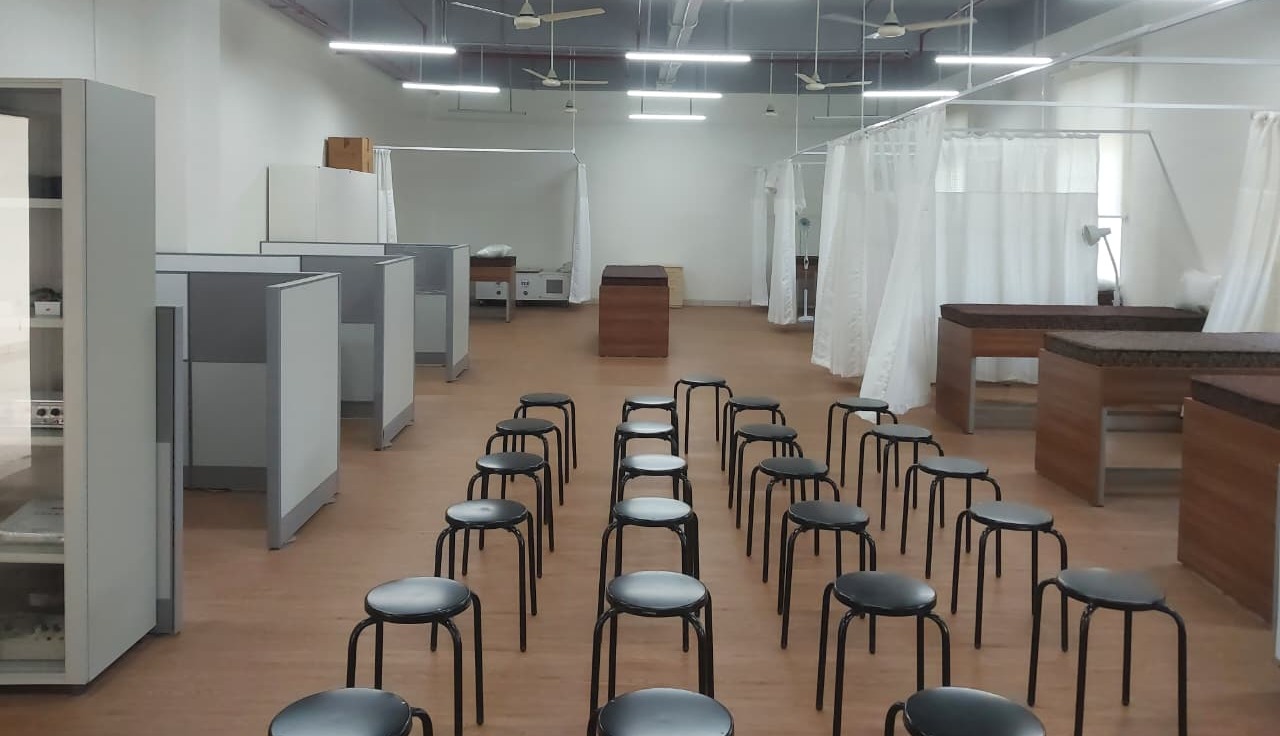
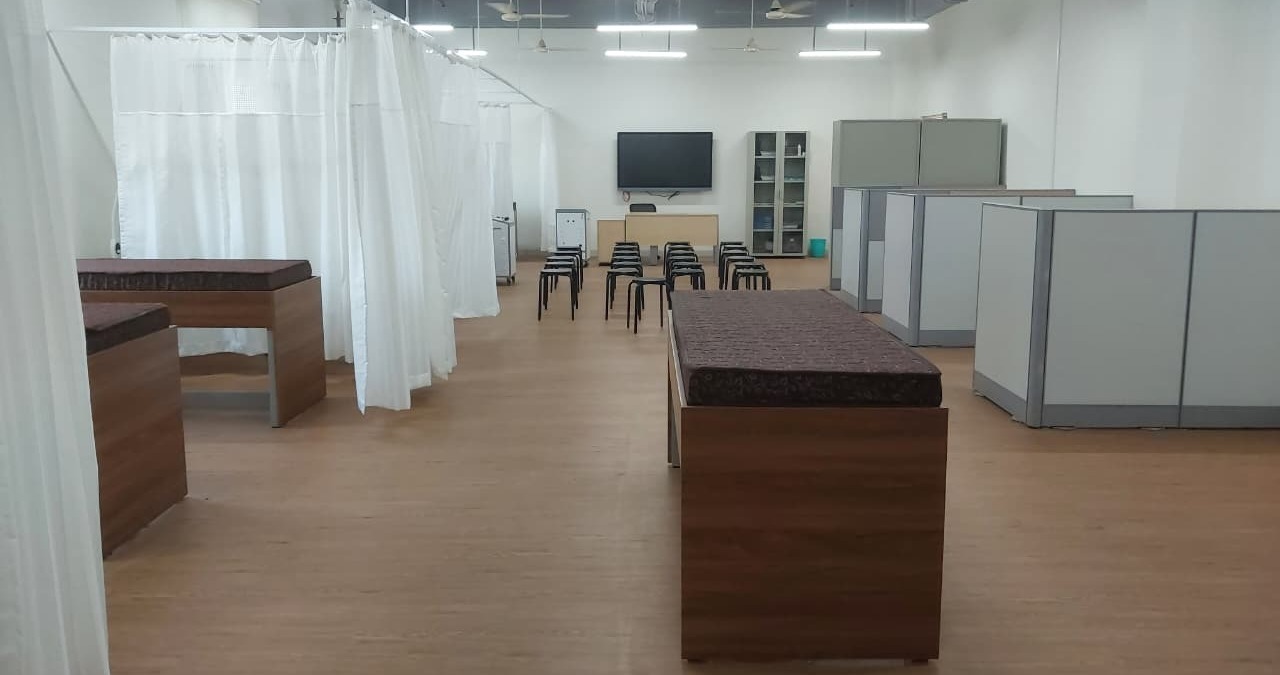
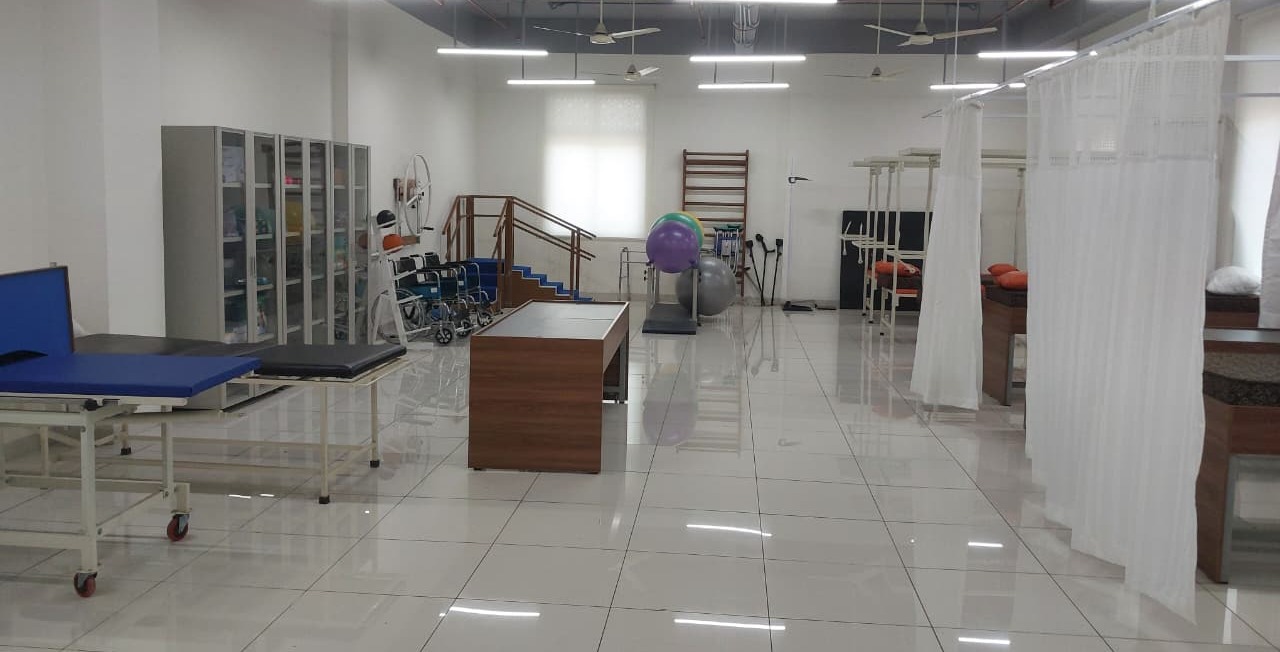
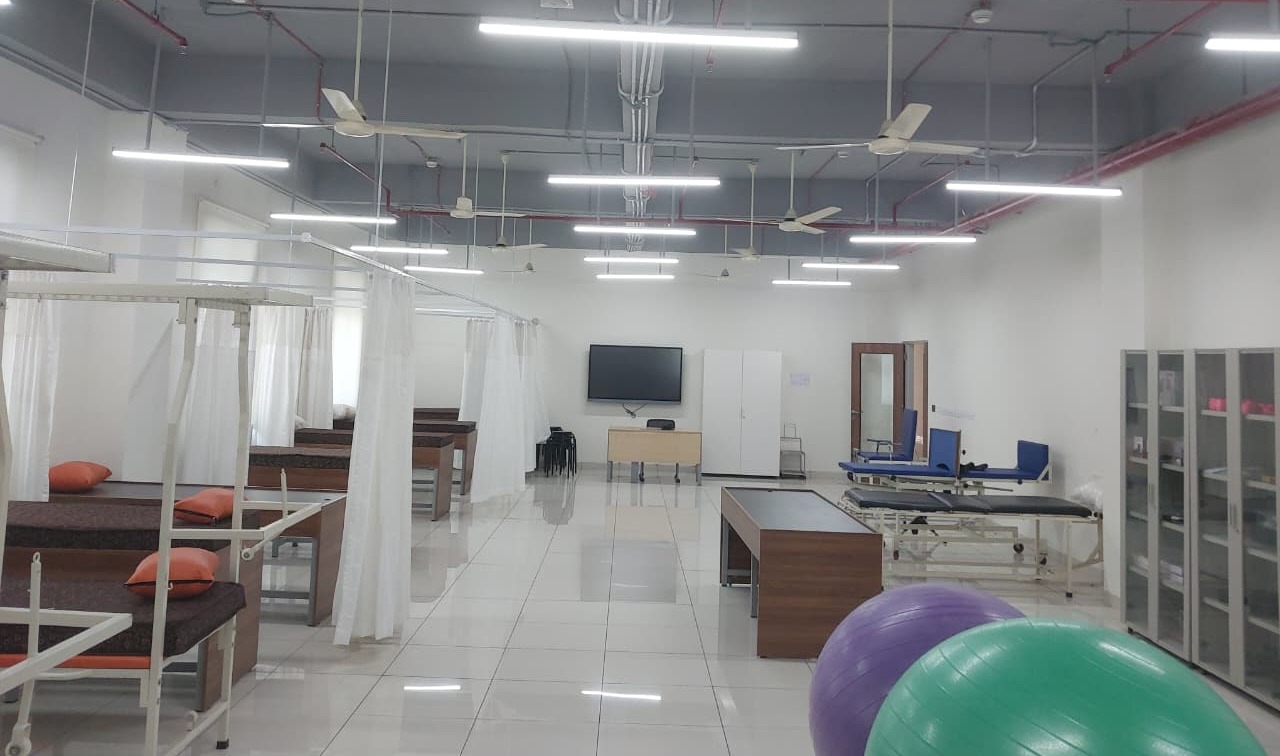
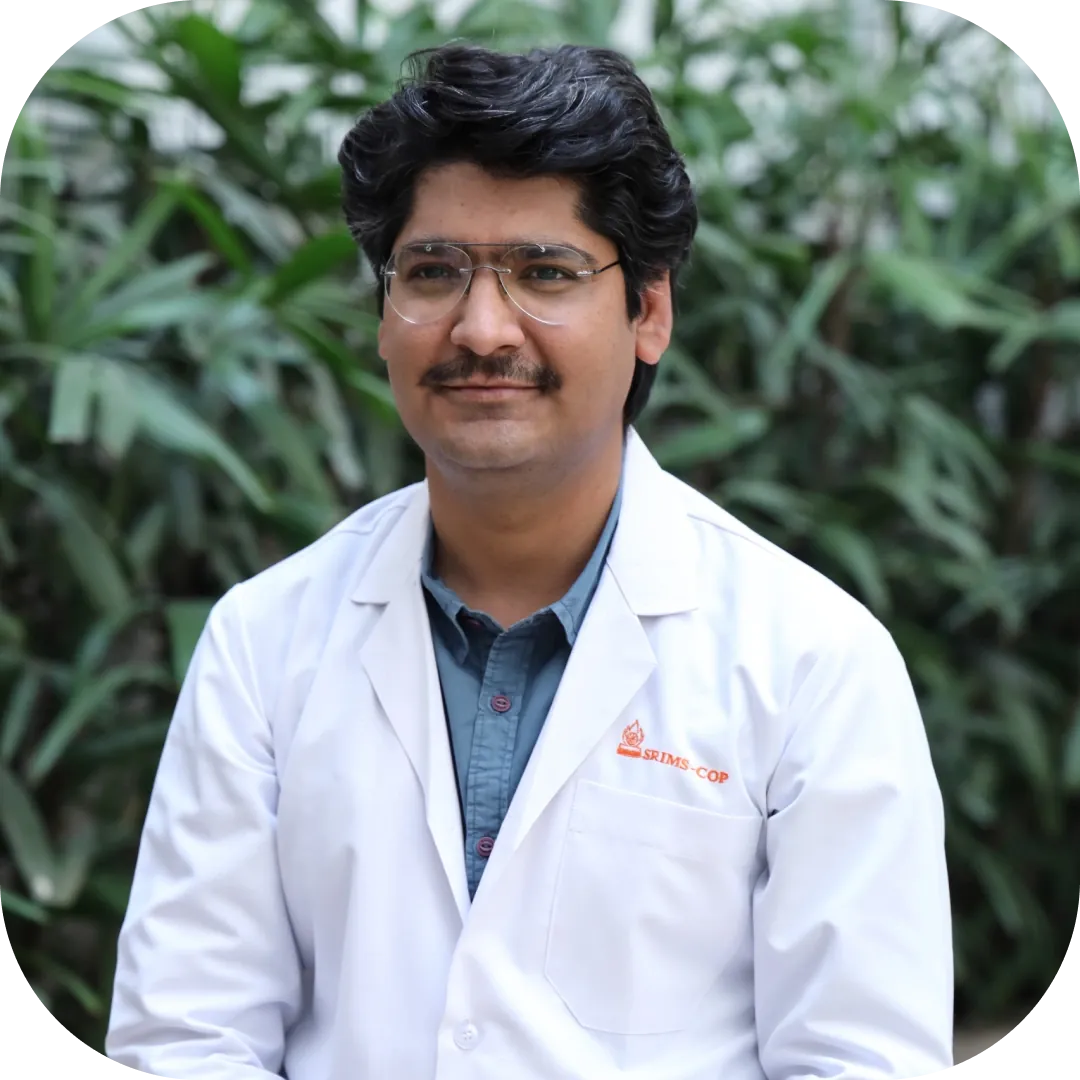
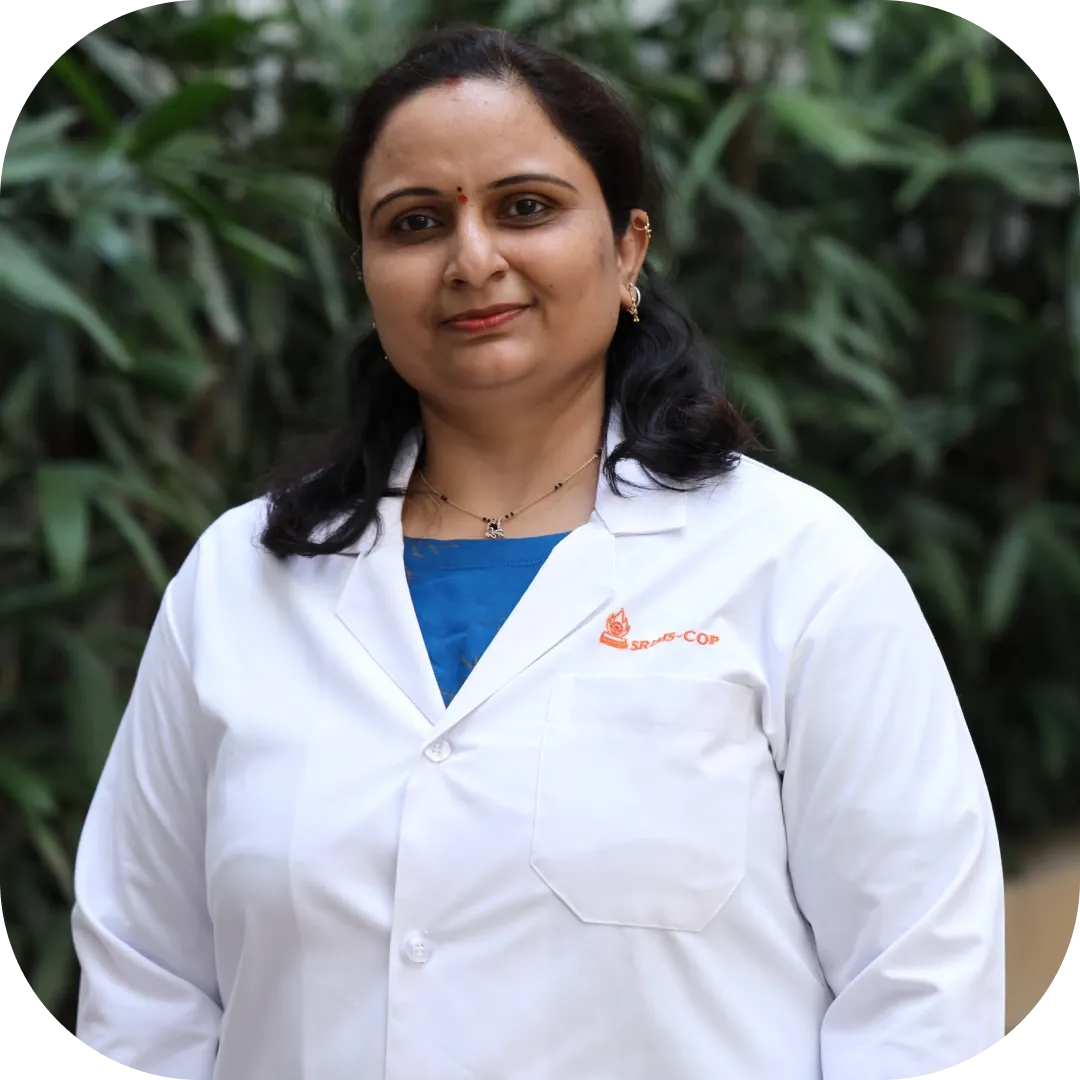
The Department of Electrotherapy and Electrodiagnosis is committed to delivering high-quality education and training in the domain of electro-physical modalities and electro -diagnostic techniques in physiotherapy. The department emphasizes a blend of theoretical knowledge and hands-on clinical skills to prepare students to effectively use electrotherapy modalities for pain relief, neuromuscular stimulation, tissue healing, and functional restoration.
Students are trained in the physiological effects, therapeutic uses, safety protocols, and contraindications of various electrotherapy modalities. In addition, the department offers comprehensive training in electrodiagnostic assessments such as Strength-Duration curve, Faradic – Galvanic Testing, Sensory Pain Threshold Assessment, Nerve conduction studies and electromyography on models, fostering a critical approach to evidence-based practice.
Regular workshops, seminars, and skill enhancement sessions are organized to ensure students and faculty stay updated with advancements in electrotherapy and diagnostic innovations. The department also encourages research activities and short-term projects for undergraduate students to instill analytical and scientific thinking.
The Department of Kinesiotherapy and Physical Diagnosis is dedicated to imparting in-depth knowledge and clinical expertise in human movement science, therapeutic exercise, and physical assessment techniques. The department focuses on training students in evaluating movement dysfunctions, musculoskeletal imbalances, and postural deviations, while equipping them with evidence-based therapeutic strategies to restore optimal function.
Students are guided through comprehensive modules on biomechanics, exercise physiology, posture and gait analysis, and functional movement assessments. A strong emphasis is placed on clinical reasoning using International Classification of Functioning (ICF) Model, patient-specific treatment planning, and manual therapy techniques.
The department regularly conducts practical demonstrations, workshops, and simulation-based learning to enhance students’ hands-on skills. Faculty-led skill development sessions and guest lectures from experienced clinicians foster a culture of continuous learning and application of modern therapeutic approaches. Students are encouraged to participate in clinical case discussions, research projects, and inter-departmental collaborations to strengthen diagnostic proficiency and therapeutic effectiveness.