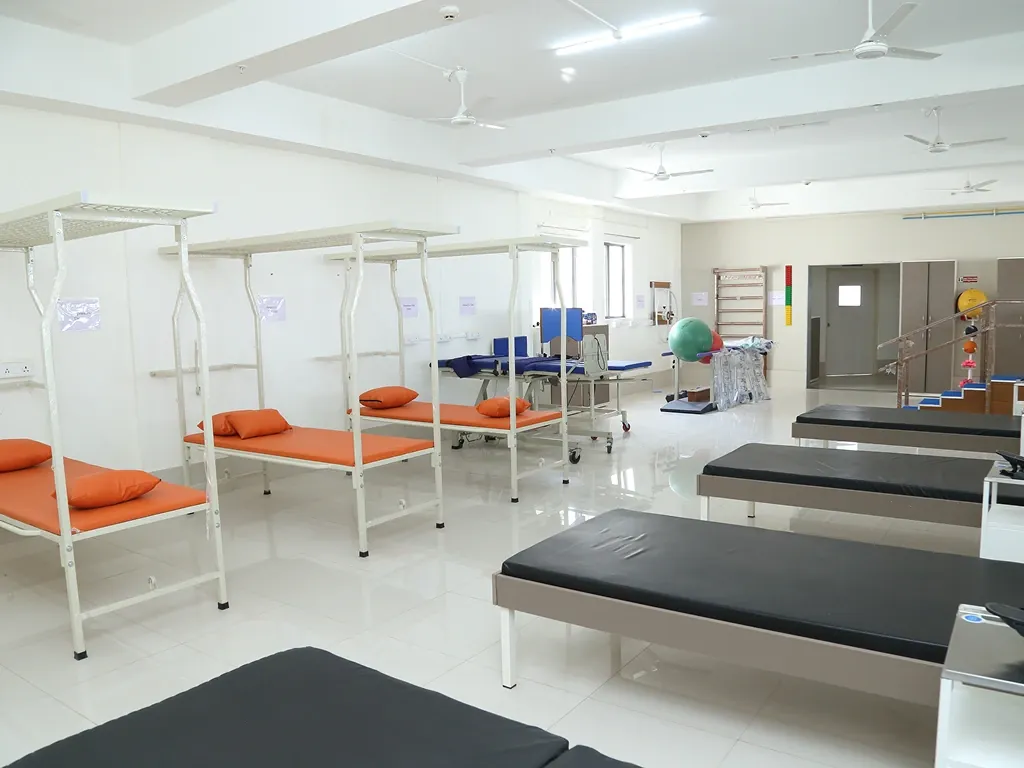
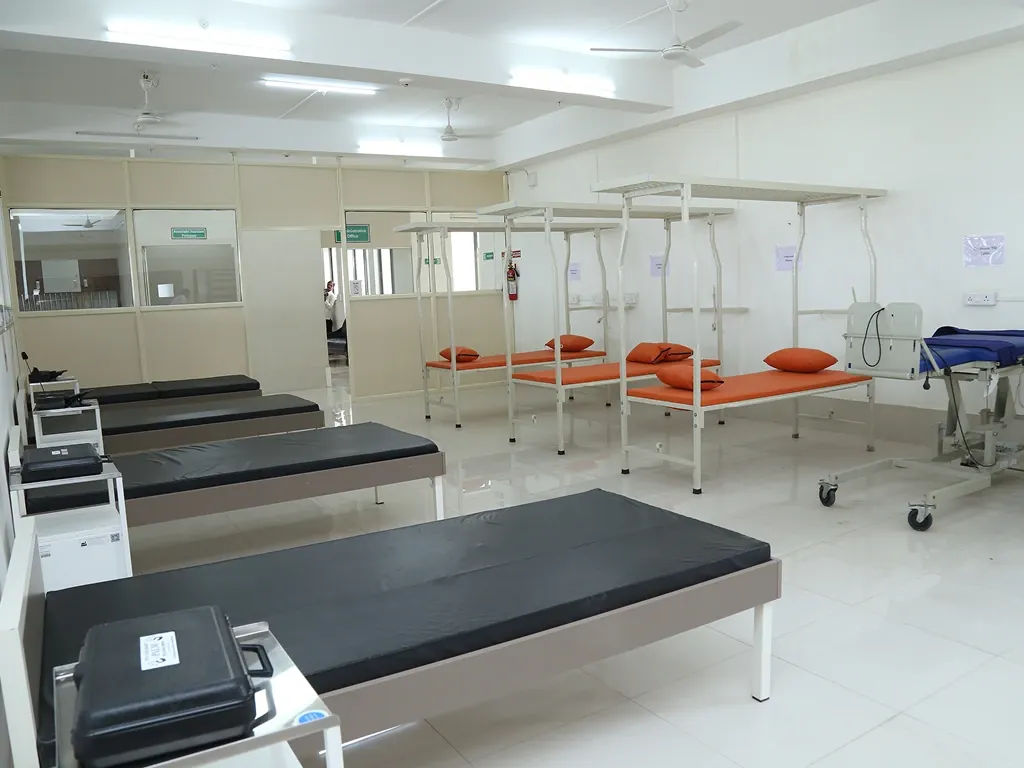
Department of Kinesiotherapy and Physical Diagnosis
The Department of Kinesiotherapy and Physical Diagnosis is
dedicated to imparting in-depth
knowledge and clinical expertise in human movement science, therapeutic exercise, and physical
assessment techniques. The department focuses on training students in evaluating movement
dysfunctions, musculoskeletal imbalances, and postural deviations, while equipping them with
evidence-based therapeutic strategies to restore optimal function.
Students are guided through comprehensive modules on
biomechanics, exercise
physiology, posture and gait analysis, and functional movement assessments. A strong emphasis is
placed on clinical reasoning using International Classification of Functioning (ICF) Model,
patient-specific treatment planning, and manual therapy techniques.
The department regularly conducts practical
demonstrations, workshops, and
simulation-based learning to enhance students’ hands-on skills. Faculty-led skill development
sessions and guest lectures from experienced clinicians foster a culture of continuous learning
and application of modern therapeutic approaches. Students are encouraged to participate in
clinical case discussions, research projects, and inter-departmental collaborations to
strengthen diagnostic proficiency and therapeutic effectiveness.

 Plastic Book
Bags 1 × $940.00
Plastic Book
Bags 1 × $940.00 The Genie Mind
1 × $899.00
The Genie Mind
1 × $899.00
 The Energy Book
1 × $756.00
The Energy Book
1 × $756.00
 Pencil Bag 1 × $723.00
 Sharpner 1 × $1080.00